
Your cart is empty
Your cart is currently empty. Let us assist you in finding the right product
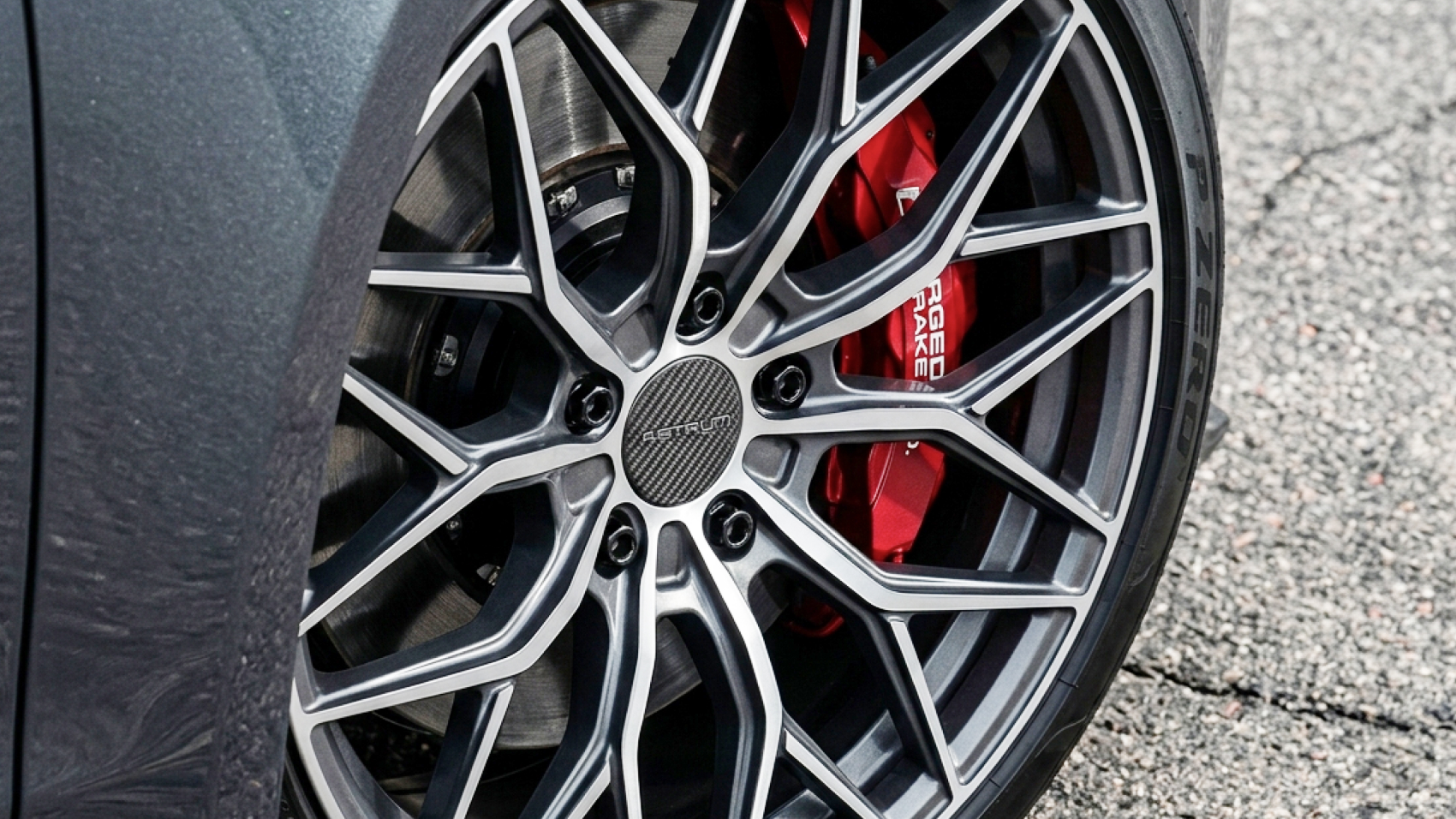
Brake pads all do the same basic job, but the compound they’re made from changes how they feel, how much dust they produce, and how they perform under heat. Picking the wrong type for how you actually drive is one of the most common — and easiest to avoid — mistakes.
Here’s a quick breakdown of the three main pad types and who each one is really for.
Organic pads are quiet, gentle on rotors, and inexpensive, making them a solid choice for typical daily commuting. Semi-metallic pads handle heat better and bite harder, which suits drivers who tow, carry heavy loads, or drive more aggressively. Ceramic pads sit in between — less dust, quieter operation, and strong everyday performance, at a higher price point.
“The best brake pad isn’t the most expensive one — it’s the one matched to how and where you actually drive.”
If you’re unsure, think about your typical week rather than the occasional spirited drive. A pad that’s overbuilt for daily driving can actually feel worse in normal conditions, needing more heat than it usually gets to perform at its best.
Whichever compound you choose, replace pads in pairs (both fronts or both rears together) to keep braking balanced side to side.
Unleash automotive excellence with our precision crafted parts and tools.
Sign up for our newsletter and get 10% off your first purchase